Skip to content
40 Big Bags per hour, food-safe and ergonomic

40 Big Bags per hour, food-safe and ergonomic

How Maxpac developed a Bulk Bag filling system that combines capacity, hygiene, ergonomics, and automatic protection.

Discover the case
A custom Big Bag filling system

Higher capacity with 40 Big Bags per hour

For a European producer of sugar and plant-based ingredients, Maxpac had to increase Big Bag packaging capacity. But that was not the only requirement. The system also had to integrate seamlessly into the existing production environment while meeting the requirements of a food production process.

A European producer of sugar and plant-based ingredients needed Maxpac to expand its bulk bag packaging capacity. Within its European production environment, food products are processed and packaged for industrial customers under strict requirements for food safety, quality, and traceability.

The challenge therefore went beyond simply packaging faster. The bulk bags themselves also needed to remain clean and protected during storage and transportation so they would arrive at the end customer in good condition.

Growing demand for packaged bulk products created the need for additional packaging capacity. At the same time, the new system had to connect to an existing production line previously supplied by Maxpac.

This was therefore not simply a capacity expansion. The solution had to process more bulk bags, integrate seamlessly into the existing production environment, and meet the requirements of a food production process.

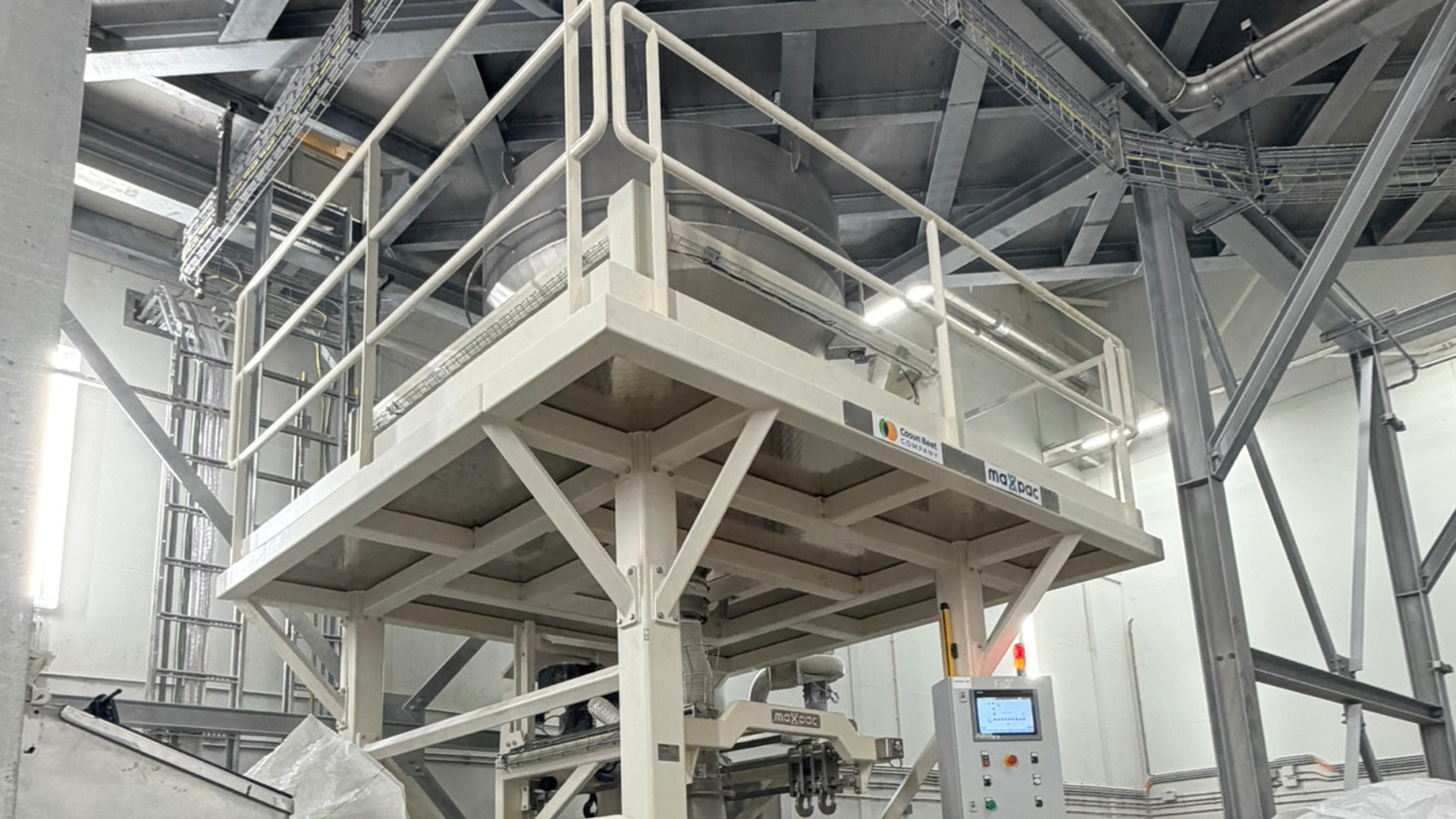
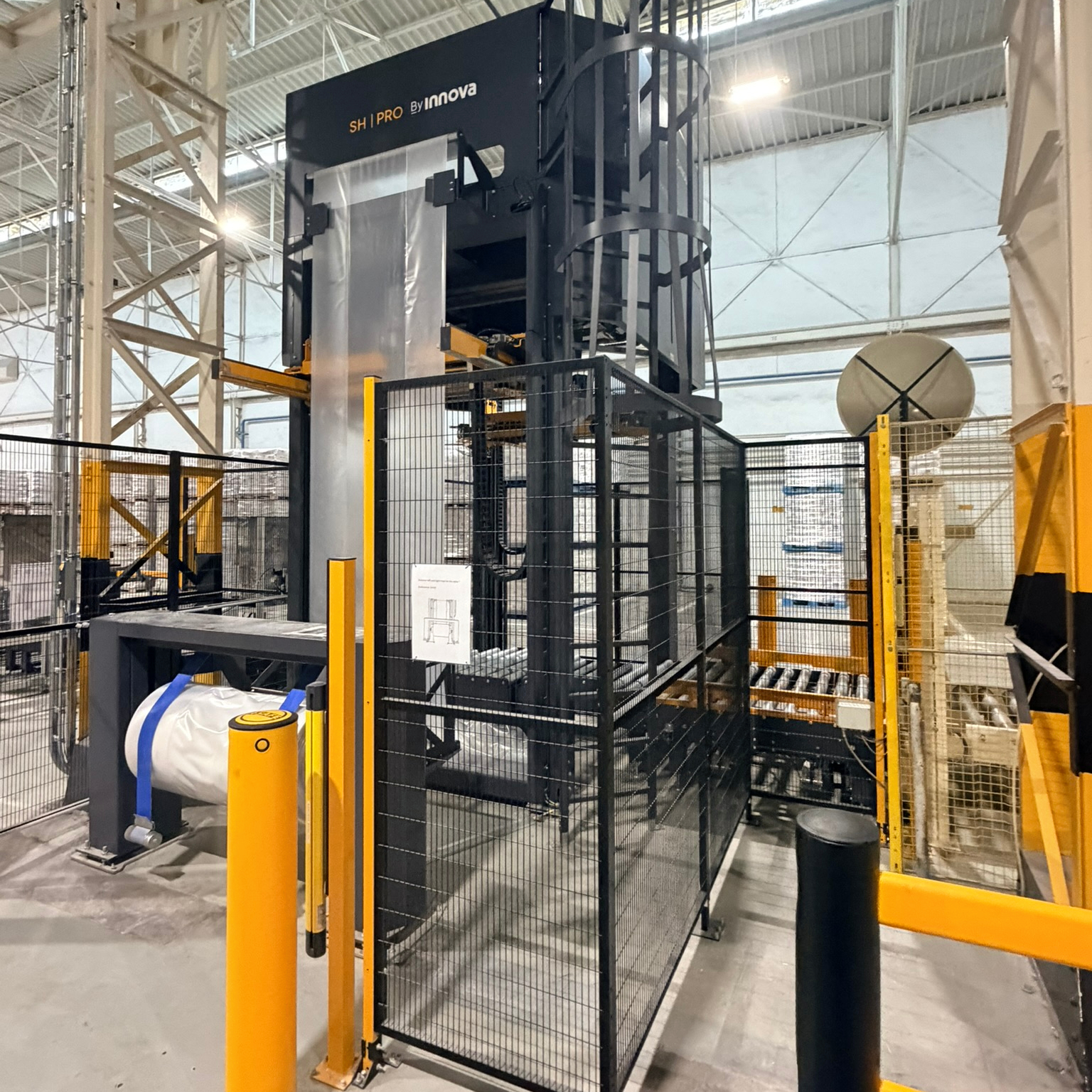
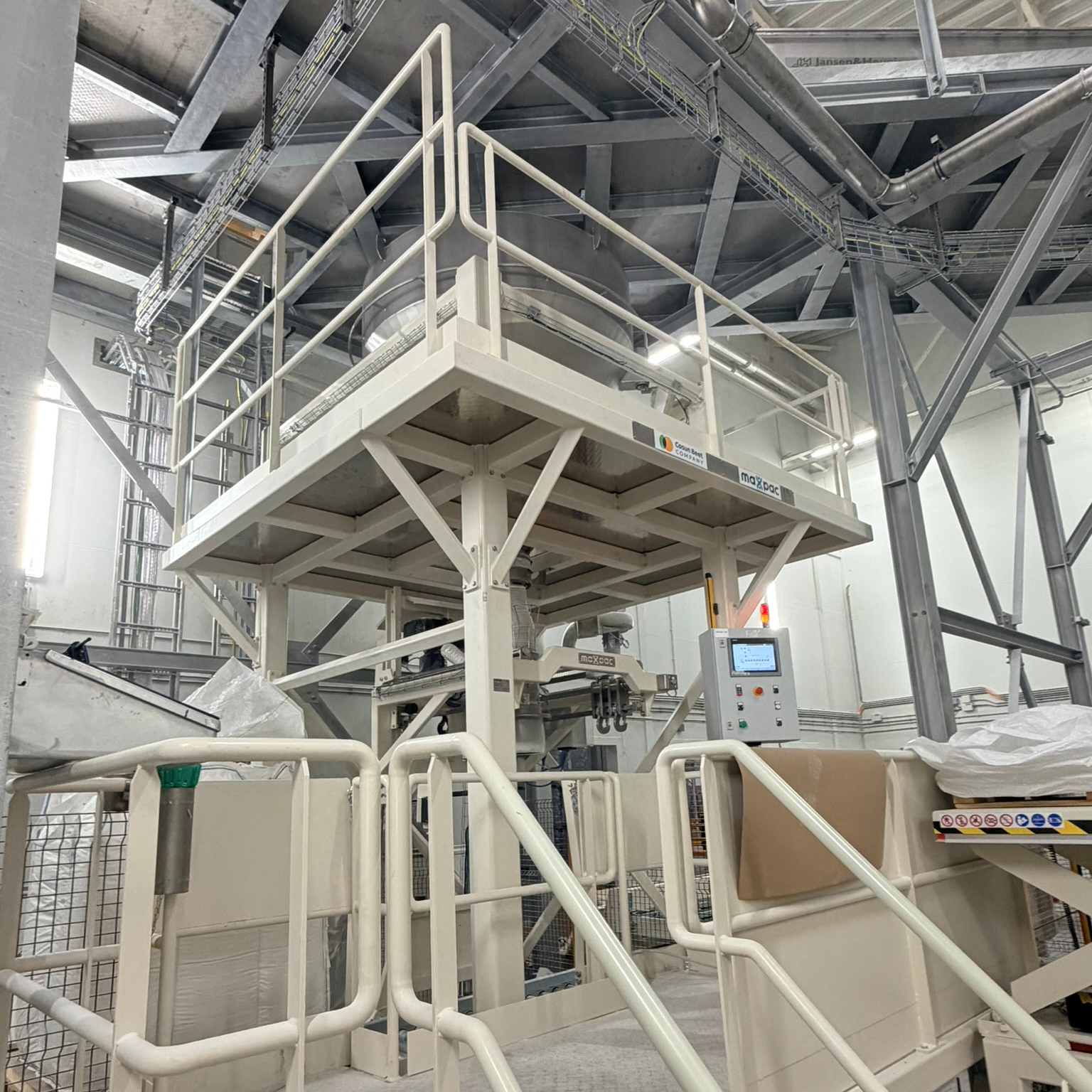
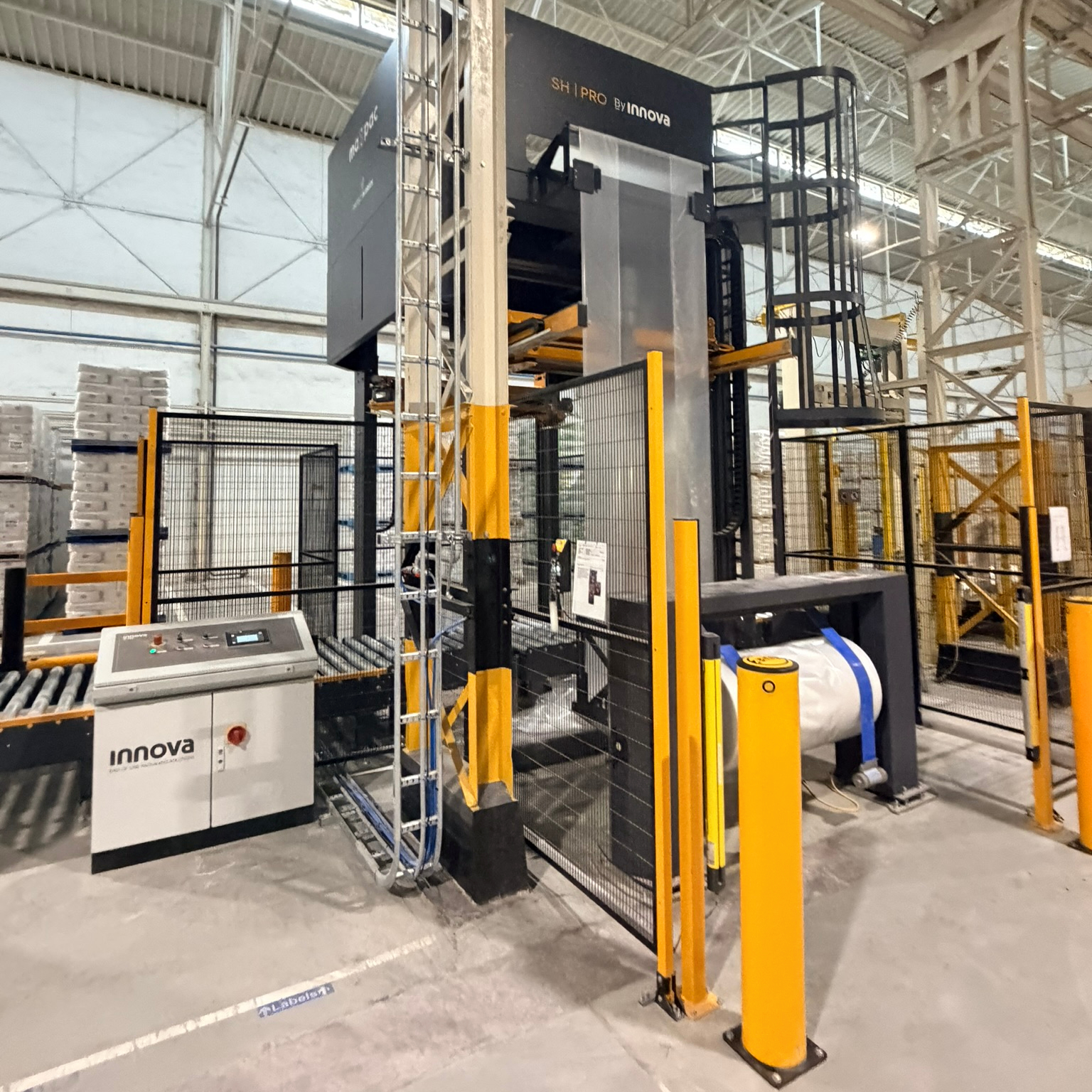
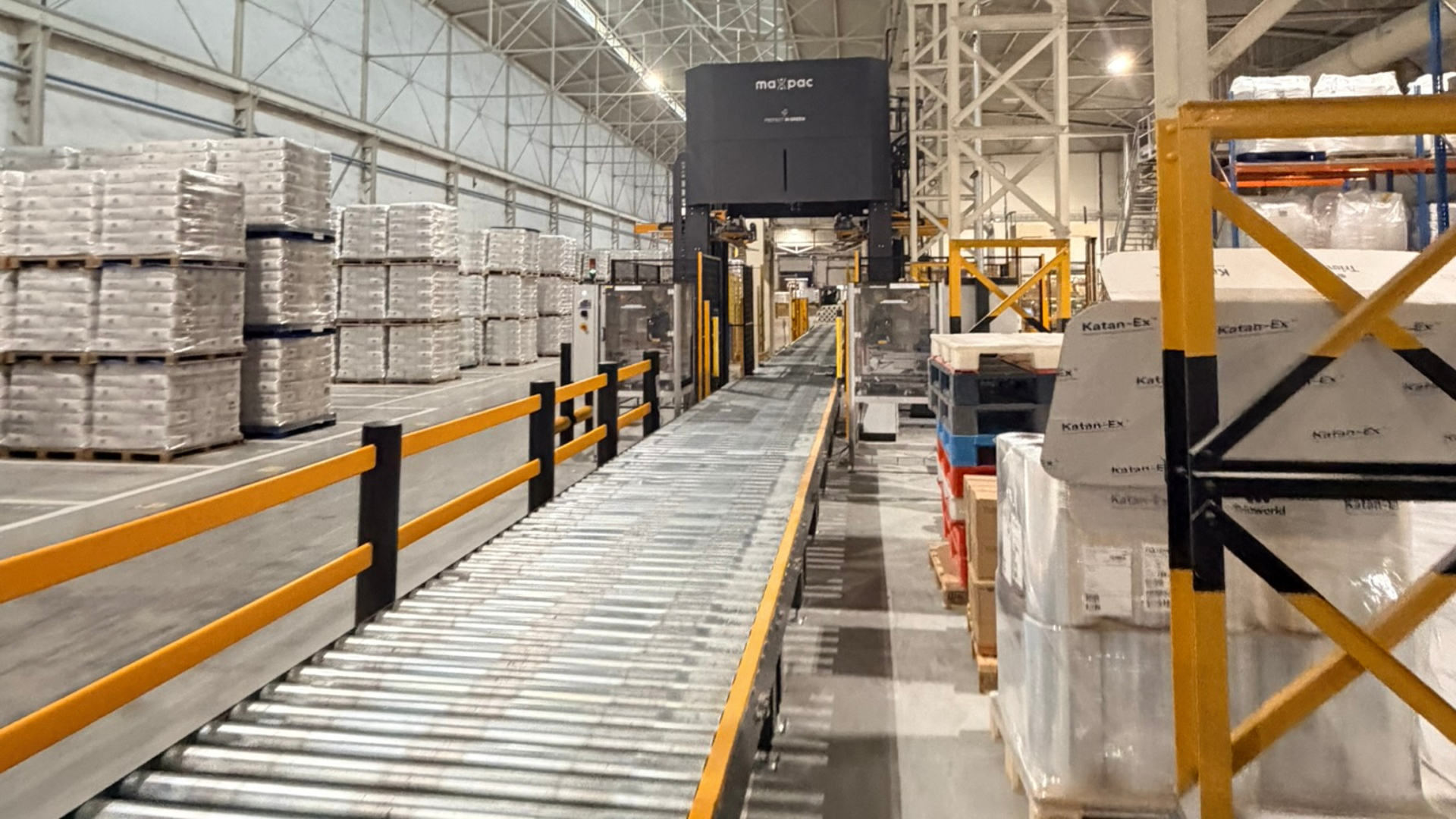
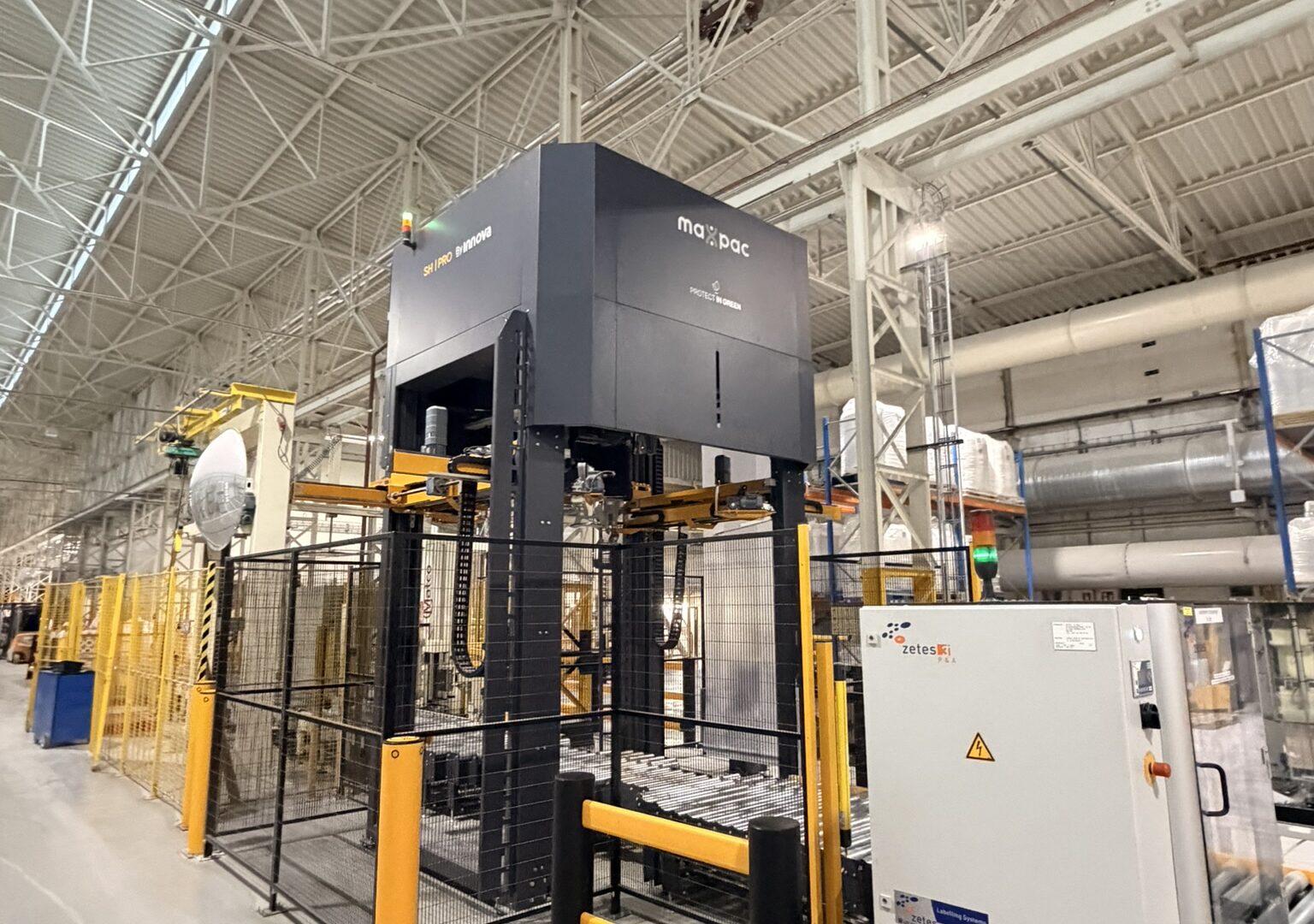
maxpac big bag afvulinstallatie met stretch hooder van Innova voor het verpakken van suiker
The challenge

40 bulk bags per hour without compromising the production environment

The required throughput was clear: the system had to process up to 40 bulk bags per hour. But capacity alone would not make it a successful solution.

Operators needed to be able to run the system reliably and ergonomically. The structure had to be suitable for a food-safe environment and remain easy to clean. At the same time, the installation had to integrate with the existing line and operate reliably in a continuous production environment.

There was one additional challenge.

After filling, the bulk bags needed to remain protected against dust, moisture, and contamination during internal storage and transportation. The customer wanted to prevent a correctly filled product from reaching the end customer in an outer package that had become dirty or contaminated.

The challenge therefore lay in combining several requirements: capacity, hygiene, ergonomics, integration, and protection of the finished bulk bag all had to come together in one system.

A standard filling station would have addressed only part of that need. The complete process surrounding the bulk bag had to be considered as one integrated flow.

The approach

Designing the complete flow around the bulk bag

Maxpac therefore developed not a standalone machine, but a fully customized bulk bag filling system for the customer’s production environment.

The installation consists of a bulk bag filling station, bulk bag handling equipment, and a conveyor system. The different components are centrally controlled through a Siemens PLC and Siemens HMI.

The design was tailored to the requirements of the food industry. This included careful attention to material selection, hygienic construction, and a design that can be cleaned easily.

Operator ergonomics were also built into the design. This was important because the higher throughput could not come at the cost of heavier or more complex operation.

An important part of the solution is located after the actual filling process.

Big Bag afvulstation

Maxpac integrated an automatic Innova Stretch Hood system into the line. Once a bulk bag is filled, it is automatically covered with a protective stretch hood. This protects the package against dust, moisture, and contamination during further handling, storage, and transportation.

A step that had previously been performed manually therefore became part of the automated packaging flow. Before the upgrade, filled bulk bags were manually covered with a plastic sheet.

This matters for two reasons. Protection is now applied consistently as part of the process, and the operator no longer has to carry out this step manually.

The solution was therefore not designed around one machine, but around everything that needs to happen to the bulk bag from filling through preparation for further storage or transportation.
The result

Higher capacity and a more automated bulk bag flow

A new Bulk Bag filling system capable of handling more than 30 additional Big Bags per hour.

That higher throughput is combined with a design tailored to the requirements of a food production environment. The structure, material selection, and cleanability were all designed accordingly, while ergonomic operation was incorporated from the very beginning.

A second major change is found in the process after filling.

Where filled bulk bags were previously covered manually with a plastic sheet, stretch hooding is now integrated into the automated line. As part of the production process, the filled bulk bags are therefore protected against dust, moisture, and contamination.

For the customer, this means capacity and product protection no longer need to be treated as two separate challenges. They are now part of the same packaging flow.

The central PLC control system ties the different parts of the installation together. Filling, handling, conveying, and stretch hooding are all controlled within one integrated system.

The result is a solution that brings together several non-negotiable production requirements: high bulk bag throughput, food-safe design, ergonomics, automatic protection, and integration into the existing production environment.

Not by adding one standard machine, but by designing the complete bulk bag flow around the customer’s production requirements.


A capacity increase is rarely just about filling faster. Product behavior, handling, ergonomics, hygiene, automation, and integration with existing equipment all influence whether the complete line can continue to operate reliably.

This reflects Maxpac’s approach to packaging projects: correctly integrating different requirements and machines to create a reliable packaging flow.


Would you like to see a Bulk Bag filling system in action?

Contact us for a no-obligation reference visit and discover how our packaging solutions can help increase capacity and efficiency.

Schedule a visit

Consult with our experts

Our packaging specialists are ready to assist you with the design, installation, startup, maintenance, and optimization of your packaging line.

Consult with our experts today, free of obligation. And see how you can achieve more reliability, efficiency, and return from your packaging line as soon as tomorrow.

Contact us

CEO / Managing Partner

Alex Govaert


We pack a punch

Stay ahead with these cases

Get inspired by our success stories in various sectors

A manufacturer of PVC compounds - Polymers

One mobile Bulk Bag filling station for multiple silos


How Maxpac engineered a filling solution that can move within the existing production environment as needs change.

Discover the case
A flour mill and milling company - Nutrients & Supplements

More capacity with an existing flour packaging line


Maxpac delivered a new packaging line, fully tailored to the existing production environment, offering greater capacity, flexibility, and full compliance.

Discover the case
A logistics service provider - Polymers

Container tipper unloads up to 35 tonnes of polymers at the Port of Antwerp


Maxpac supplied a hydraulic container tipper: a proven solution for containers weighing up to 35 tons.

Discover the case